
Precision Planting and Bed Prep for Small Plots, Big Results
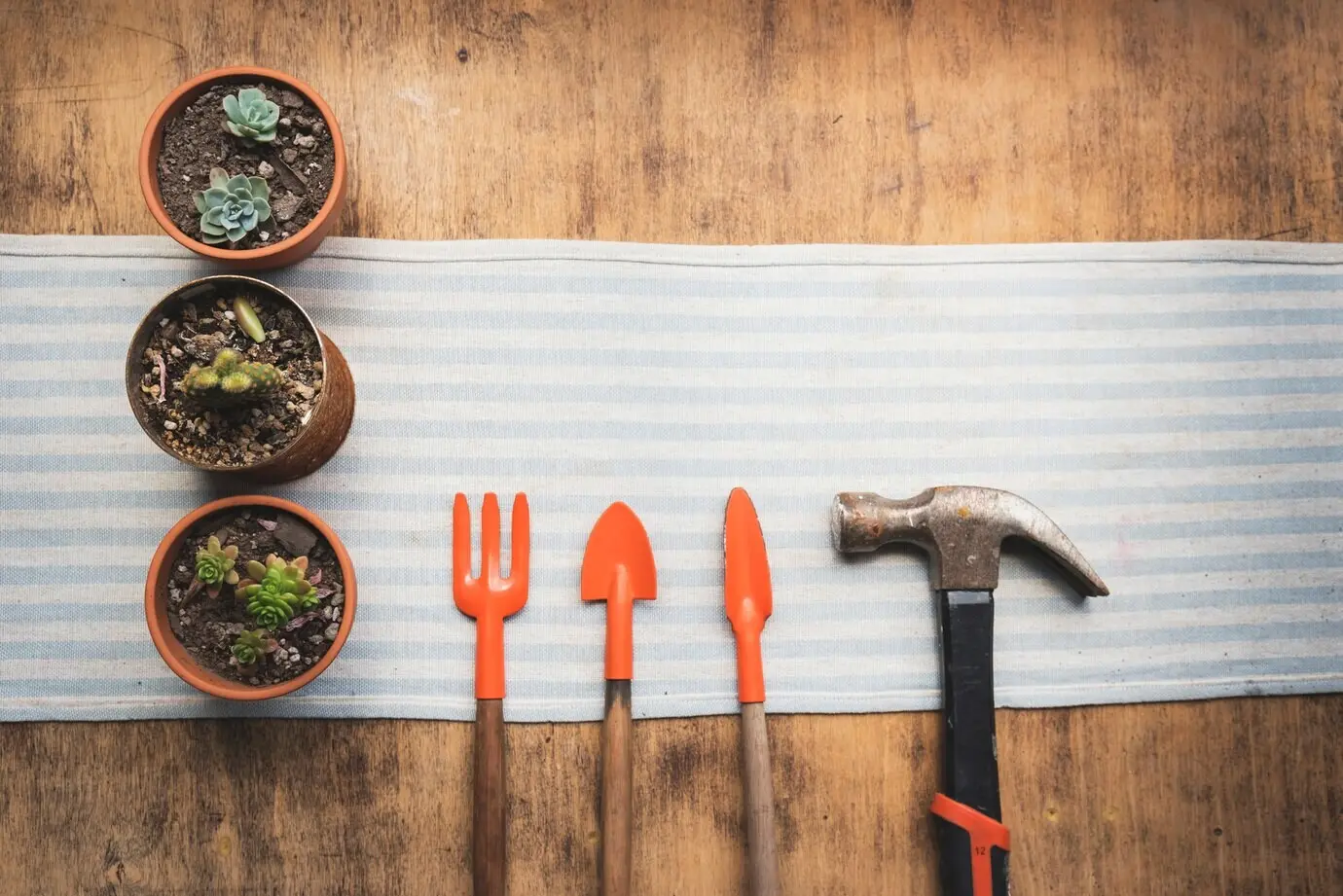
Today we dive into precision planting and bed preparation tools scaled for small plots, helping balcony growers, microfarms, and community gardens unlock consistent germination, clean spacing, and fast bed turnover. We compare compact seeders, tilthers, and marker rakes, share calibration tricks that save seed, and explain ergonomics that protect your back. Expect field stories, like a grower who doubled carrot stands on 30-inch beds after a ten‑minute roller swap, plus simple checklists you can use immediately. Share your favorite trick in the comments and subscribe for weekly, hands-on trials.
Why Scale Matters in the Garden
Small plots magnify every decision. An extra half inch of depth can halve germination; a crooked first pass wastes space for the season. When you scale tools and methods to narrow beds and short rows, you capture uniform emergence, easier cultivation, and faster turnover. We focus on efficient reach, clear visual guides, and compact gear that avoids compaction while delivering repeatable results. Tell us where space pinches your process most, and we’ll share tailored checklists in upcoming guides.
Tools That Earn Their Keep on Narrow Beds
Jab Planters and Compact Seeders
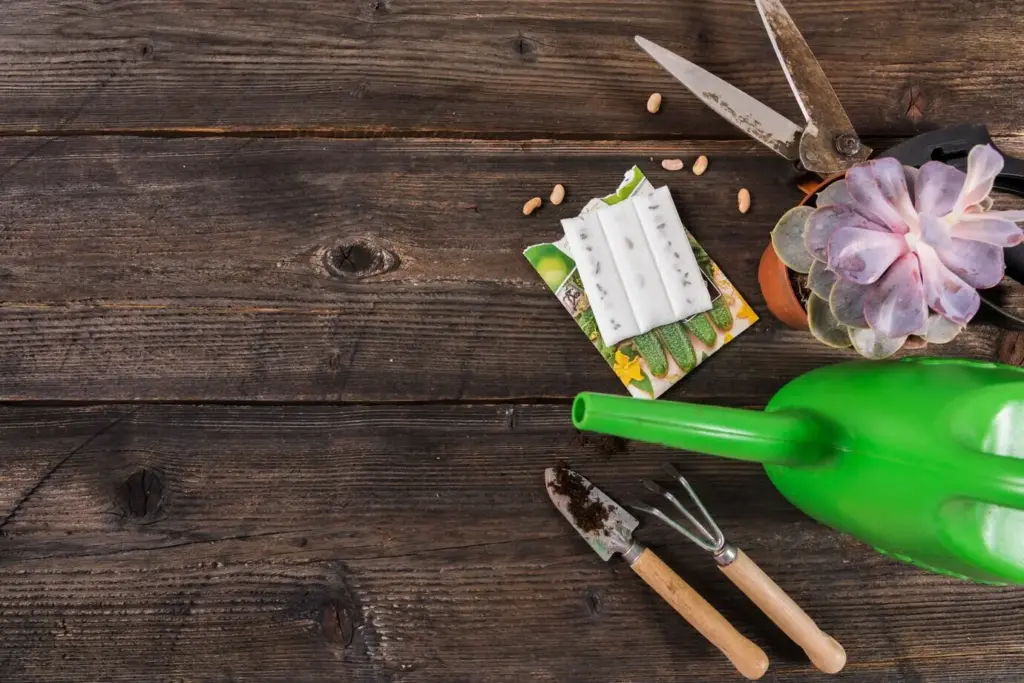
For beans, corn, or larger seeds, a jab planter places each seed cleanly without bending or trenching. For fine seed like carrots or lettuce, a compact precision seeder with the right roller prevents doubles, skips, and uneven germination. In small beds, those tiny improvements simplify weeding and standardize harvest windows. Share your roller codes and row spacings that actually worked, and we will assemble a community-tested matrix to guide future purchases.
Tilthers, Broadforks, and Soil Prep
A tilther lightly fluffs the top inch, blending compost without inverting layers, while a broadfork opens channels for air and water. Together, they create a seedbed that cradles delicate roots and drains well. On narrow beds, this approach reduces compaction from heavier machines and protects soil organisms. Describe your typical pre-plant routine, including compost rate and moisture, and we’ll help refine steps to minimize passes and maximize seed-to-soil contact.
Marker Rakes and Bed Rollers
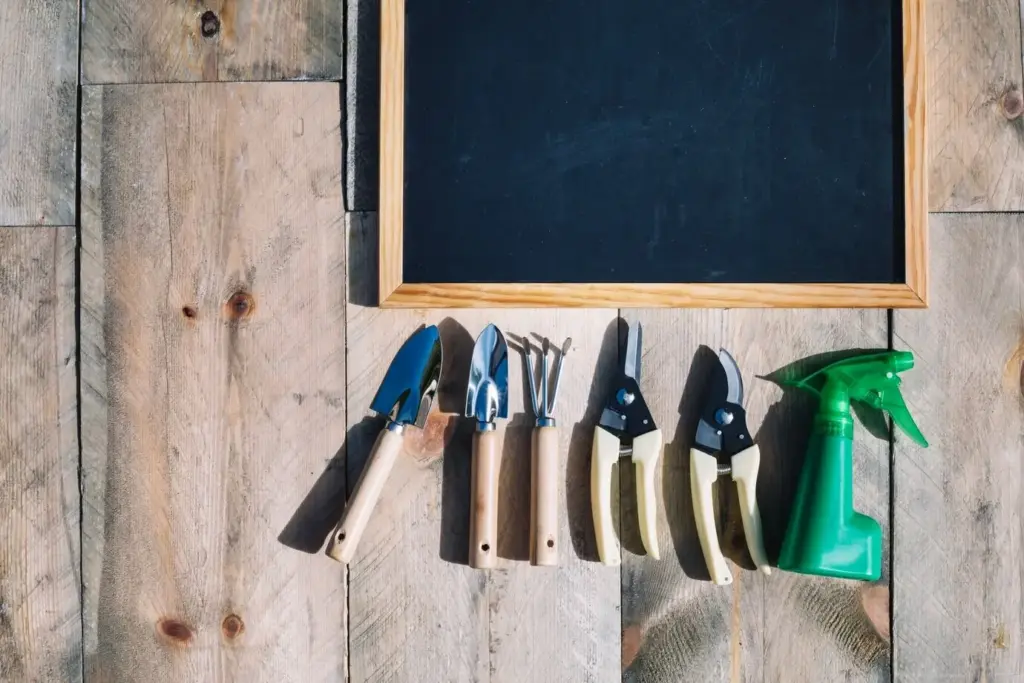
Marker rakes align rows instantly, preventing measuring fatigue and crooked lines that waste bed edges. Rollers firm the surface just enough for consistent contact, especially vital with tiny seed. The combination speeds setup and helps every pass of the seeder travel true. If you have a favorite homemade marker or roller hack, post details and dimensions so others can replicate the efficiency on their microplots.
Soil Health First, Because Precision Starts Underground
No seeder can compensate for lifeless soil. Compost, living roots, and gentle disturbance create structure that holds moisture, anchors seed, and feeds microbes. In small plots, even a thin layer of mature compost transforms tilth and stabilizes weekly irrigation swings. Add light cover crops where feasible and mulch paths to control weeds and preserve water. Share your compost sourcing or sift methods, and we’ll feature the most practical options for tight budgets and spaces.
Calibration, Spacing, and Depth You Can Trust
Calibration converts hope into data. Test passes on a tarp or tray reveal doubles, skips, and depth drift before seeds hit soil. Small beds benefit from quick roller swaps, plate changes, and press-wheel adjustments that lock in uniformity. Record settings by crop and variety to speed replanting. Post your favorite calibration checklist or roller notes, and we’ll build a printable reference to hang by your tool rack.
Season Extension and Edge Management for Tight Spaces
Row Cover Tactics
Use lighter fabric for germination and heavier fabric for frost nights, adjusting daily to prevent heat stress. Pre-cut lengths matched to bed size save minutes in chaotic weather. Mark orientation so each piece returns to the same bed quickly. Share your favorite brand weights and the number of sandbags per bed that truly holds in gusts, and we’ll publish a practical table readers can trust.
Low Tunnel Geometry
Conduit or fiberglass hoops placed at consistent spacing prevent sag that scrapes young leaves. Wider arcs shed condensation and reduce abrasion, increasing vigor. On short beds, a tiny tweak in hoop height can change germination after cold snaps. Post your hoop dimensions, cover width, and anchor style, and we’ll compile a reference that balances resilience, visibility, and tool clearance for busy planting weeks.
Pest Barriers That Fit
Insect netting tailored to bed width prevents fumbling and gaps along edges. Color‑coded clips and labeled bundles reduce setup time during outbreaks. Pair with precise spacing so airflow remains adequate while preventing entry points. Share your netting mesh sizes, storage tricks, and the pests you’ve blocked most successfully, and we’ll build a decision guide for different regions and common small-plot crops.
Staggered Sowing Schedules
Plant smaller amounts more often to match real demand and avoid gluts. Precision spacing simplifies weed control between cycles, and consistent depth levels out maturity. On tiny sites, this reduces stress and keeps wash-and-pack steady. Tell us your interval for lettuce, radish, or cilantro, and we’ll compare notes to refine cadence across shoulder seasons and heat waves.
Fast-Maturing Heroes
Radishes, baby lettuces, arugula, mustard greens, and scallions thrive with precise spacing that limits crowding and bolting. With calibrated tools, these crops become anchor tenants between slower plantings. Their quick turnover preserves cash flow and morale. Share your favorite varieties, row counts per bed, and any standout germination boosters, and we’ll spotlight combinations that deliver reliable volume in unpredictable weather.
Interplanting Without Chaos
Place slow growers like tomatoes or brassicas, then underseed fast companions that vacate early. Precision markers keep lanes clean for harvest while protecting roots. On compact beds, this layered strategy doubles productivity without crowding. Tell us your best interplant, including spacing and removal timing, and we’ll add it to a practical recipe bank for streamlined mixed plantings.
Succession Planting That Multiplies Yield
With narrow beds, success hinges on rhythm. Short, repeated plantings of fast crops fill gaps and stabilize harvests. Precision tools make successions predictable so you can schedule labor, markets, and kitchen plans. Track days to maturity, heat units, and bed recovery to eliminate guesswork. Share your favorite quick-crop pairings and turnaround times, and we’ll pool the data into a dynamic calendar for varied climates.
Irrigation That Targets Roots, Not Paths
Small plots cannot afford waste. Drip lines set to crop spacing deliver water where it matters, supporting even germination and steady growth. Pressure regulation and filters reduce clogging, while quick-connects make swaps painless. A simple schedule paired with soil checks prevents stress. Share your emitter spacing, pressure choices, and timers, and we’ll align them with common bed widths and crop needs for fuss-free watering.
Drip Lines per Bed
Match drip tape count to row layout: one line for a single row, two or three for dense greens, and adjustable micros for transplants. Keep manifolds labeled and standardized to shorten changeovers. Report your spacing and flow rates, and we’ll recommend combinations that balance germination, disease prevention, and cost on narrow beds.
Watering New Seedbeds
Germination favors consistent surface moisture. Short, frequent cycles limit crusting and seed movement, especially for tiny seed. Once emergence begins, taper duration and increase intervals to encourage deeper rooting. Tell us your soil texture and climate, and we’ll share starting points for cycle timing that readers have validated in diverse conditions.
Harvest and Postharvest Flow Without a Barn
Harvest Tools That Scale
Keep a sharp knife, sanitized shears, and a compact harvest tote within arm’s reach of each bed. Small, frequent harvests reduce damage and fit tiny coolers. Note tool weights and grips that protect wrists over long mornings. Share your kit list, and we’ll feature lightweight setups that shorten the walk from bed to wash.
Wash-Station Efficiency
Design flow from dirty to clean with gravity on your side. Stackable dunk tubs and a mesh drain table speed handling without special plumbing. Standardize crate sizes and labels to eliminate confusion on busy days. Post photos of your station and we’ll suggest one tweak that likely saves minutes every harvest session.
Cold Storage and Quick Delivery
A dorm fridge, thermometer, and airflow gaps can outperform a cluttered walk-in for very small volumes. Pre-chill containers, avoid door spikes, and deliver promptly to preserve texture. Share your packing sequence, ice strategies, and delivery constraints, and we’ll compile optimized routes and checklists tailored to tiny harvest batches.
All Rights Reserved.