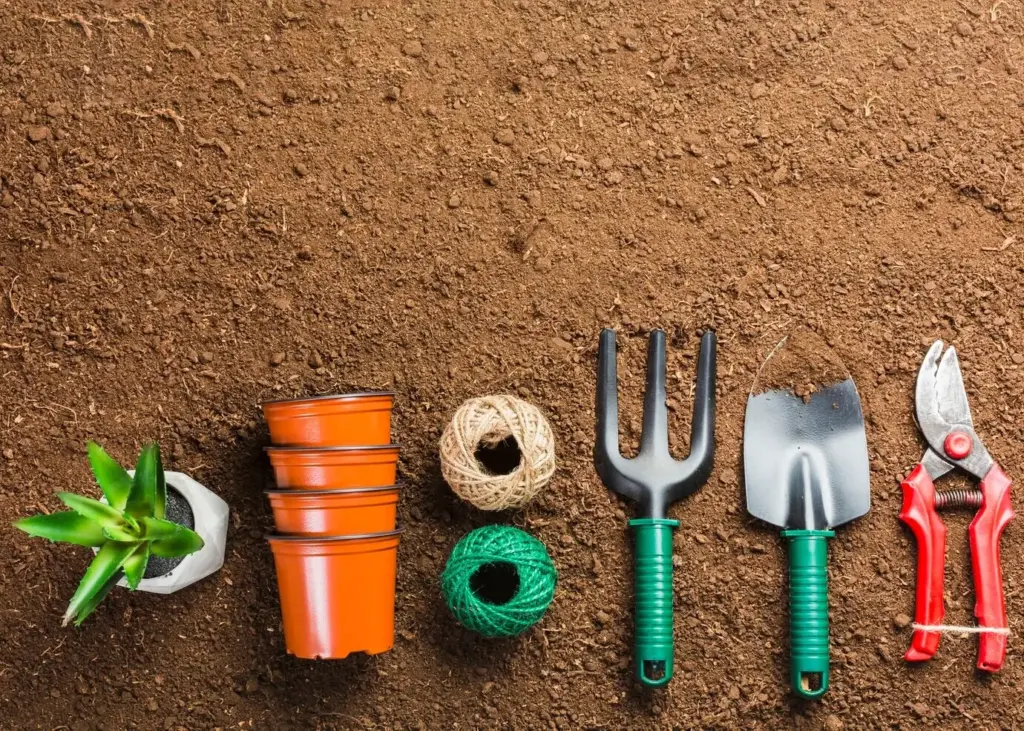

Match horsepower and hydraulic needs before booking
List PTO horsepower, rear lift capacity, and hydraulic ports for your farm’s available tractor or power unit. Cross-check with implement specs, considering soil moisture, slope, and expected residue. If margins look tight, select a heavier frame or schedule an operator with experience. Confirm tire type, ballast, and wheel spacing for bed systems. Clear matching reduces bogging, scalping, and shear bolt breaks, protecting uptime when weather grants that delicate, unmissable preparation window.
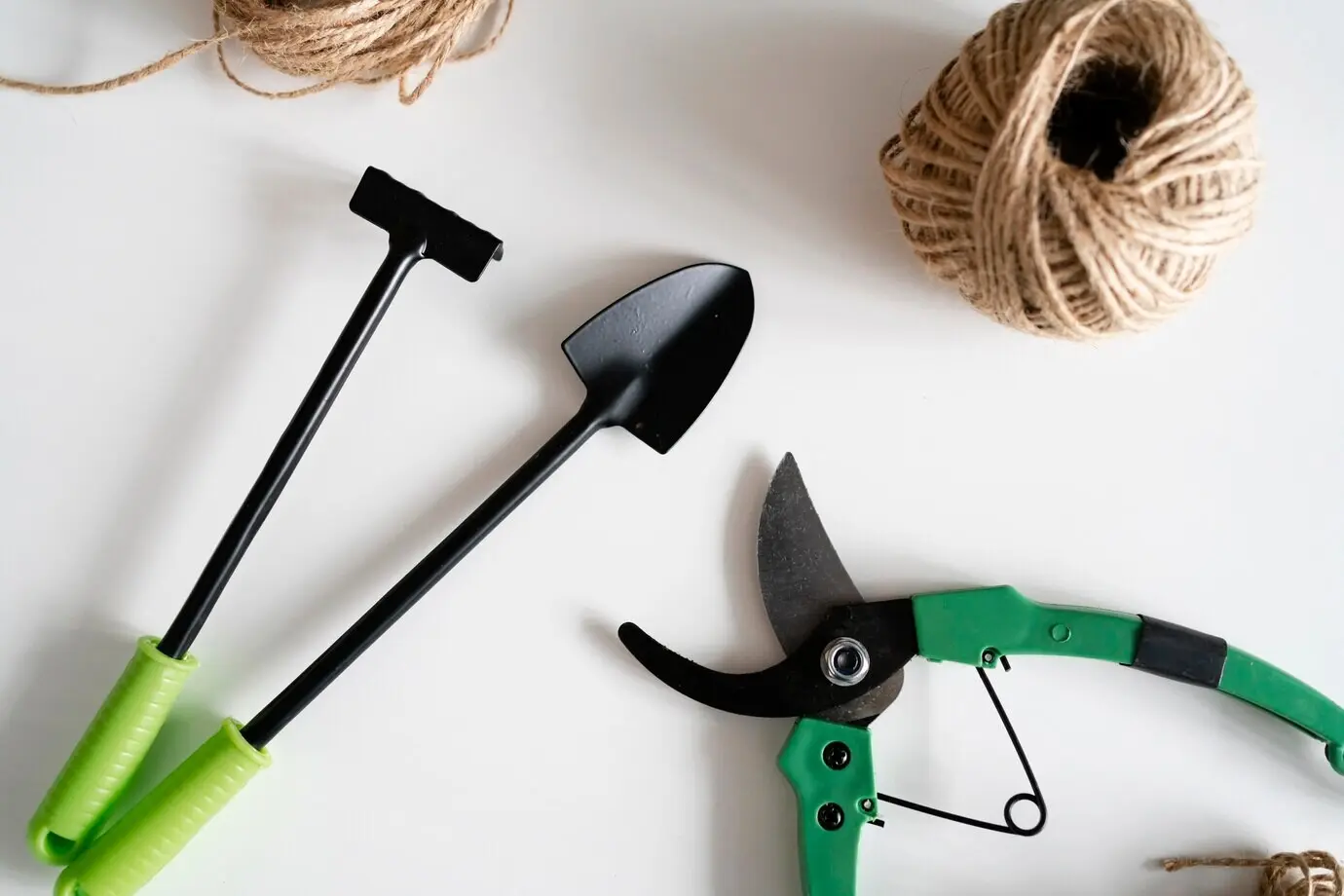
Implements for high-value beds and orchards
High-value crops need precise, gentle passes. A flail mower handles cover crop termination without windrows. A precision seeder improves stands while conserving seed. Basket weeders and finger weeders save labor in delicate beds. In orchards, offset mowers and under-vine weeders protect trunks and drip lines. Rent attachments that address your specific weeds, residues, and row spacing, and confirm setup time in your booking. Fewer, smarter passes safeguard soil structure and crop quality.

Pre- and post-rental checks that protect everyone
Create a two-sided checklist with photos at pickup and return: fluids, filters, belts, chains, guards, tires, lights, and PTO shields. Document existing scratches honestly. Include torque values for wheel lugs and hitch bolts. Note hose routing and quick couplers. After use, clean debris, grease fittings, and top off fuel. Quick, consistent checks reduce disputes, catch looming failures, and keep machines field-ready for the next grower’s tight schedule when sunny hours truly count.